DISINFORMATION ABOUT UKRAINE FINDS A NEW ALLY – AND ALMOST
DOUBLES
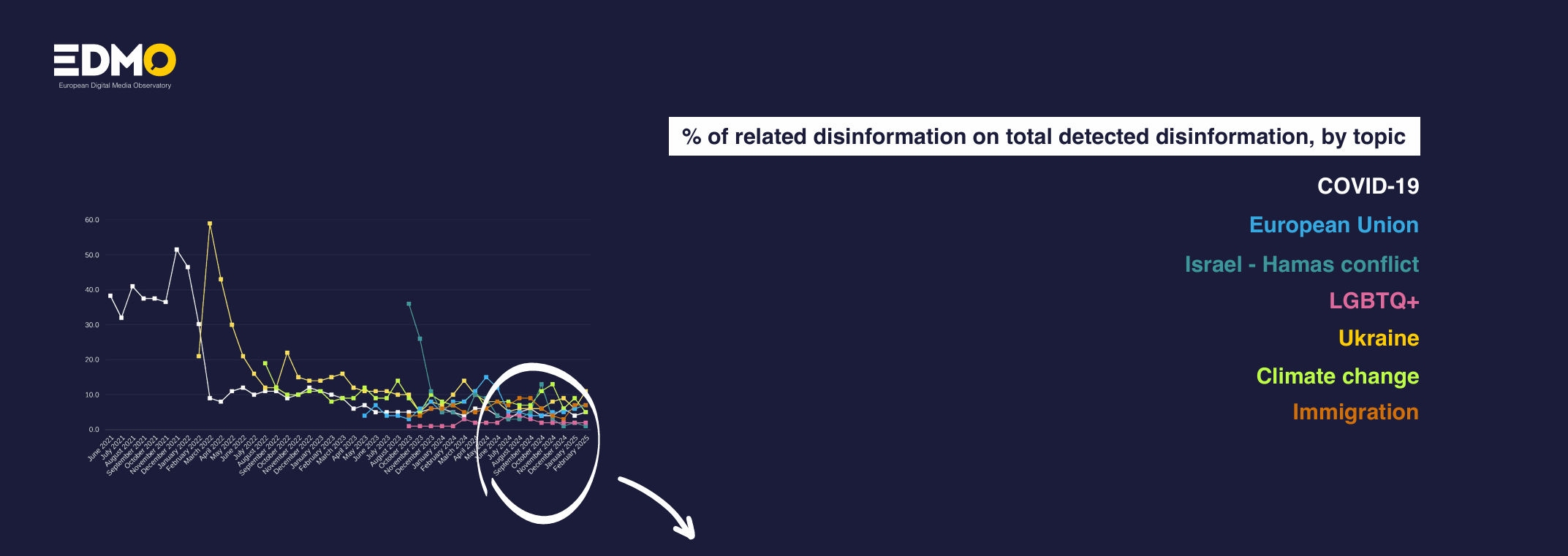
The 33 organizations part of the EDMO fact-checking network that contributed to this brief published a total
of 1.376 fact-checking articles in February 2025. Out of these articles, 157 (11%) focused on Ukraine-related
disinformation; 63 (5%) on climate change-related disinformation; 99 (7%) on disinformation related to the
EU; 18 (1%) on the Middle Eastern regional conflict; 65 (5%) on COVID-19-related disinformation; 93 (7%) on
disinformation related to immigration; and 33 (2%) on disinformation about LGBTQ+ and gender issues
Disinformation about the war in Ukraine nearly doubled in February, jumping from 6% the previous month to 11%,the highest percentage since March 2024. The increase seems partly due to US President Donald Trump’s embraceof some pro-Russia false narratives to describe the situation in Ukraine, its leader, and responsibility for the conflict.
The percentages of false stories about the EU and Covid-19 have also increased, even if more slightly.
AI-GENERATED DISINFORMATION
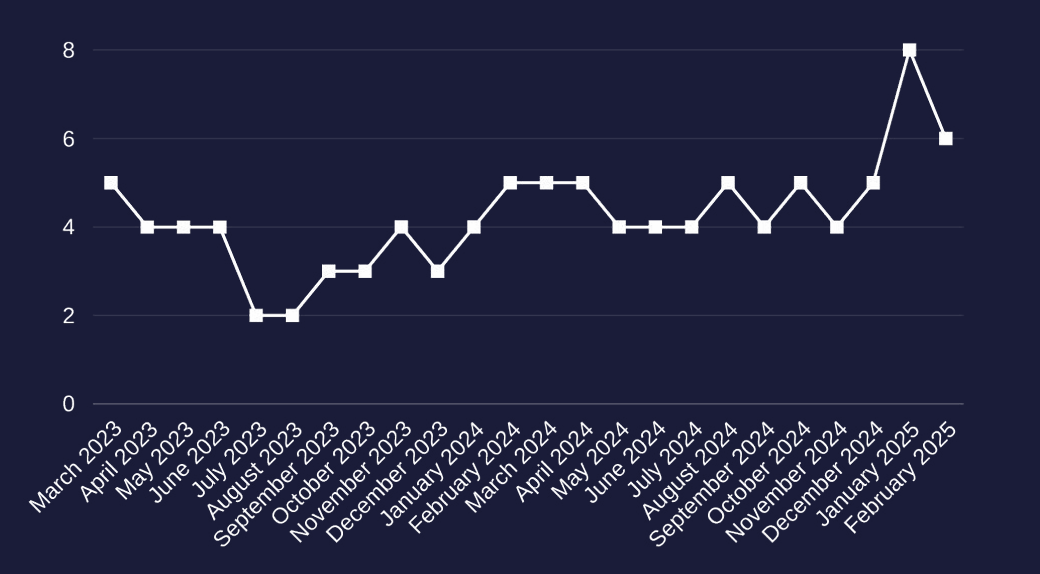
The percentage of disinformation stories using AI-generated content decreased in February, after the peak
measured in January. Out of 1.376 fact-checking articles, 79 addressed the use of this technology in disinformation, representing 6% of the total.
An analysis by Maldita identified 35 YouTube channels, mostly created between 2024 and
2025, that disseminate political disinformation using AI-generated images and synthetic voices,
amassing millions of views with few misleading videos. About the German elections, videos of
fake influencers created with AI to try to influence the direction of the vote were identified. Among
the other most significant false news exploiting AI-generated content are those announcing the
alleged death of Pope Francis.
CLICK HERE TO READ THE FULL EDMO MONTLY REPORT