Founded in March 2018 by media entrepreneur Steven Brill and former Wall Street Journal publisher Gordon Crovitz, NewsGuard provides reliability ratings and informative cards for thousands of news and information websites. NewsGuard has analyzed all news sites representing 95% of online engagement in the United States, the United Kingdom, Germany, France, and Italy. Each site is assessed by NewsGuard journalists using nine apolitical and widely recognized journalistic criteria. Based on these criteria, each site receives a reliability score from 0 to 100 and an overall rating, either green (generally reliable) or red (generally unreliable). Additionally, a detailed analysis card explains who is behind the site, what kind of content it publishes, and why it received that rating, with examples of any specific reliability issues identified by the NewsGuard team. For each analyzed site, NewsGuard provides over 30 categories of descriptive metadata, including an explanation of the site’s rating on each of the nine criteria, an indication of its political leaning, descriptions of covered topics, types of misinformation it has published, and more. Ratings are continuously updated, for instance when sites change ownership or adopt new editorial practices. Leveraging data and insights from the digital information landscape, NewsGuard identifies and catalogs major disinformation narratives spreading online. NewsGuard provides data on each narrative in a format readable by artificial intelligence systems: examples of the language used, links containing false claims, related keywords, and hashtags.
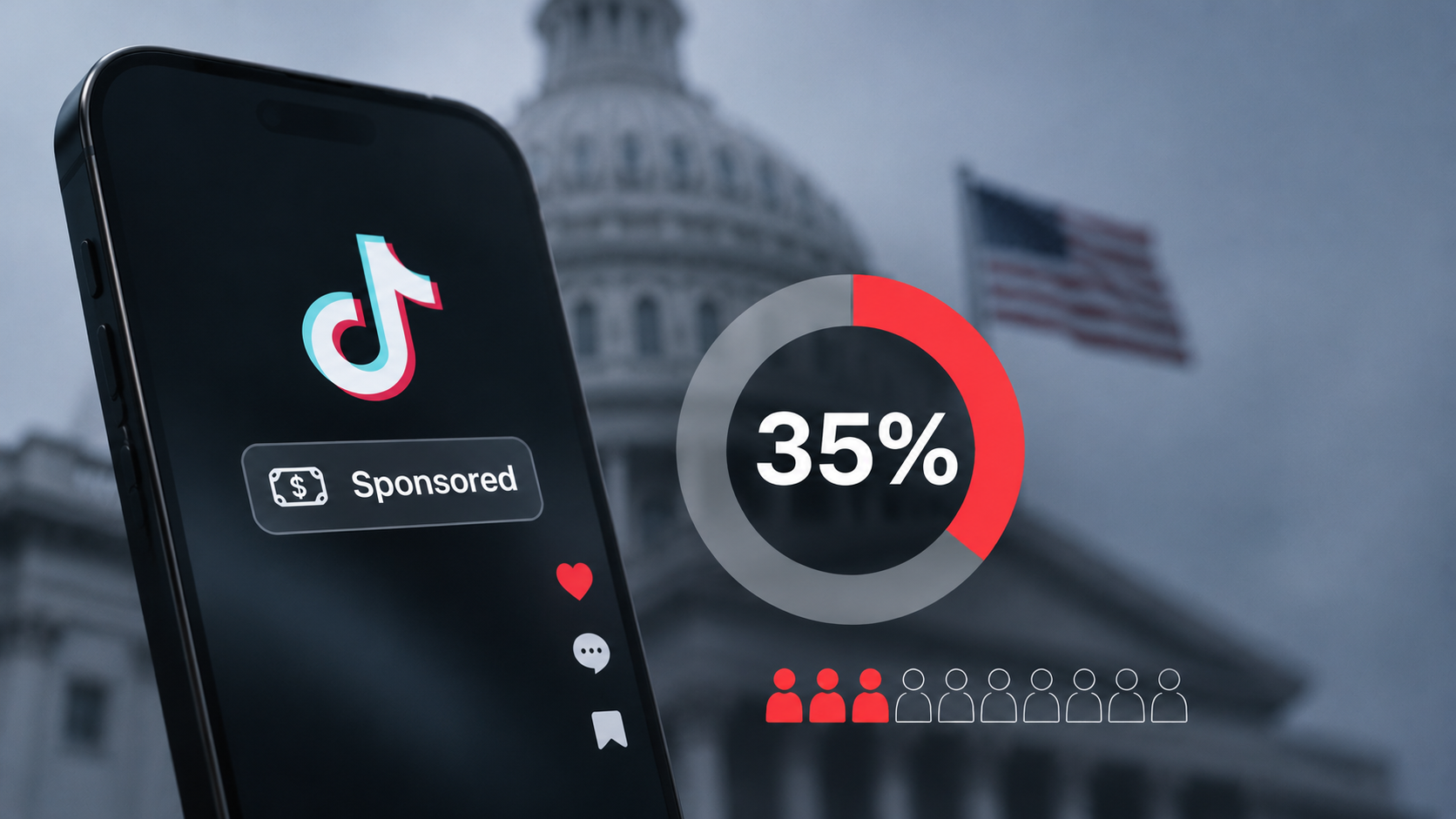
Pagati per fare propaganda: un’inchiesta sotto copertura di NewsGuard rivela che il 35% degli influencer di TikTok contattati si è detto disposto a promuovere candidati alle midterm USA senza rivelare di essere retribuiti
NewsGuard si è finta una società di consulenza politica e ha chiesto a 60 influencer di pubblicare contenuti politici dietro compenso senza rendere noto l’accordo economico sottostante. Le risposte dei creator hanno messo in luce che tra gli influencer regna molta confusione su come segnalare i contenuti politici e che nel settore mancano standard condivisi sulla trasparenza in materia. Più di un terzo degli influencer contattati, 21 su 60, si è inizialmente dichiarato disposto a veicolare i messaggi politici senza rivelare pubblicamente di essere stato pagato per farlo.